


The idea of traveling without stress has become a modern obsession. Whether traveling for business, heading to the airport, or exploring Switzerland privately, reducing travel friction often makes the difference between a draining trip and a smooth journey.
Search engines are full of tips promising “effortless trips” and “perfect vacations,” yet many travelers still return home exhausted, overstimulated, or disappointed. The truth is more nuanced. Traveling without stress isn’t about eliminating problems, it’s about designing your journey so that friction never takes control.
Stress-free travel is not luck. It’s the result of intention, clarity, and realistic expectations.
Redefining Stress-Free Travel
Most people associate travel stress with delays, lost luggage, or crowded airports. These are visible triggers, but they’re not the real issue. Stress usually comes from a mismatch between expectations and reality.
Travel without stress means accepting that movement, uncertainty, and change are part of the experience—and preparing accordingly. It’s not about controlling every variable, but about reducing unnecessary pressure and making better decisions before and during the trip.
Stress Isn’t the Enemy—Poor Planning Is
A delayed flight doesn’t automatically ruin a trip. What causes tension is having no buffer, no alternatives, and no emotional margin. When your schedule is too tight or your mindset too rigid, small disruptions feel catastrophic.
Stress-free travelers don’t avoid problems. They absorb them calmly.
The Role of Mental Preparation
Before logistics, comes psychology. How you approach travel mentally will shape every moment.
Letting Go of the “Perfect Trip” Myth
The pursuit of the perfect itinerary is one of the biggest sources of travel anxiety. Over-optimizing every hour creates pressure to “make it worth it,” especially when time or money is involved.
Travel without stress begins when you allow space for imperfection. A missed museum can become a long lunch. A rainy day can slow the pace. Flexibility is not a compromise—it’s a strategy.
Building Psychological Margin
Experienced travelers leave room for rest, boredom, and spontaneity. This margin reduces decision fatigue and keeps emotions stable when plans change.
If your schedule leaves no breathing room, your nervous system stays on alert. Calm travel requires slack.
Strategic Planning That Actually Reduces Stress
Planning is essential—but only when done with restraint.
Fewer Stops, Deeper Experiences
One of the most overlooked causes of travel stress is excessive movement. Changing cities every two days, constantly packing and unpacking, drains energy fast.
Choosing fewer destinations and staying longer in each place improves orientation, sleep quality, and emotional comfort. Familiarity reduces cognitive load, which is a key factor in stress management.
Aligning Travel Style With Reality
Not every destination suits every travel rhythm. A fast-paced city trip requires different energy than a beach escape or a countryside retreat.
Travel without stress means matching the destination to your physical state, not your fantasy version of yourself. If you’re exhausted before leaving, don’t plan an endurance challenge disguised as a vacation.
Transportation Choices Matter More Than You Think
Movement is where most travel tension accumulates.
Choosing Comfort Over Optimization
Saving money or time can backfire if it increases fatigue. Red-eye flights, multiple connections, or poorly timed transfers often cost more in stress than they save in resources.
Stress-free travel favors direct routes, reasonable departure times, and transportation that allows recovery, not just efficiency.
For many travelers, especially during airport transfers or long journeys across Switzerland, choosing a professional chauffeur service can significantly reduce logistical stress.
Buffer Time Is Not Wasted Time
Leaving generous gaps between connections, hotel check-ins, and activities dramatically reduces anxiety. Buffer time gives you options. Options create calm.
When everything depends on perfect timing, stress becomes inevitable. Reliable transportation with experienced drivers can help travelers maintain this margin by anticipating traffic conditions and adjusting routes when necessary.
Accommodation as a Stress Regulator
Where you sleep influences how you feel more than most travelers realize.
Location Over Luxury
A centrally located, simple accommodation often creates less stress than a luxury stay far from where you want to be. Long commutes, confusing transport, or isolated areas add friction to daily movement.
Travel without stress prioritizes accessibility, safety, and ease over prestige.
Consistency and Predictability
After long days of stimulation, returning to a predictable environment stabilizes the nervous system. Reliable check-in processes, quiet rooms, and clear communication matter more than design trends.
Comfort is functional, not aesthetic.
Managing Digital and Social Overload
Modern travel stress is increasingly digital.
Reducing Decision Noise
Constantly searching reviews, comparing options, and checking maps drains mental energy. Stress-free travelers limit inputs once key decisions are made.
Trusting earlier choices and resisting endless optimization preserves mental clarity during the trip.
Disconnecting Without Losing Control
Traveling without stress doesn’t require disappearing offline. It requires using technology intentionally. Offline maps, saved reservations, and clear backups reduce dependence on constant connectivity.
When your phone becomes a tool rather than a crutch, anxiety drops.
Health, Energy, and Physical Rhythm
Physical imbalance often masquerades as emotional stress.
Respecting Your Body’s Limits
Jet lag, dehydration, and irregular meals amplify irritability and fatigue. No destination compensates for a neglected body.
Travel without stress includes prioritizing sleep, hydration, and movement—even when it feels unproductive. Energy management is stress management.
Building Recovery Into the Trip
Rest days are not wasted days. They reset your nervous system and improve overall experience quality. Without recovery, even the most beautiful places feel overwhelming.
Sustainable travel is enjoyable travel.
Emotional Expectations and Social Pressure
Stress often comes from comparison—especially in the age of curated travel content.
Traveling for Yourself, Not for Proof
The pressure to document, share, and validate experiences creates unnecessary tension. When travel becomes performance, presence disappears.
Stress-free travel happens when the trip serves your needs, not external narratives.
Accepting Emotional Variability
Not every day will feel magical. Mood fluctuations are normal when routines disappear. Allowing emotional neutrality—or even discomfort—prevents secondary stress caused by self-judgment.
You don’t have to feel inspired all the time.
The Real Measure of Stress-Free Travel
Travel without stress isn’t defined by flawless execution. It’s defined by resilience. The ability to adapt, reset, and continue without emotional escalation is the true marker of a calm traveler.
When delays become pauses instead of problems, when changes feel manageable instead of threatening, and when rest is valued as much as discovery, stress loses its grip.
The goal is not to control the journey, but to move through it with clarity, margin, and self-respect. That’s what travel without stress really means—and why it’s less about destinations and more about decisions.
For travelers seeking a calmer and more reliable way to move between destinations, professional chauffeur services can remove much of the logistical pressure from a journey. Helvgo provides premium chauffeur services across Switzerland, including airport transfers, business travel, private excursions, and event transportation.


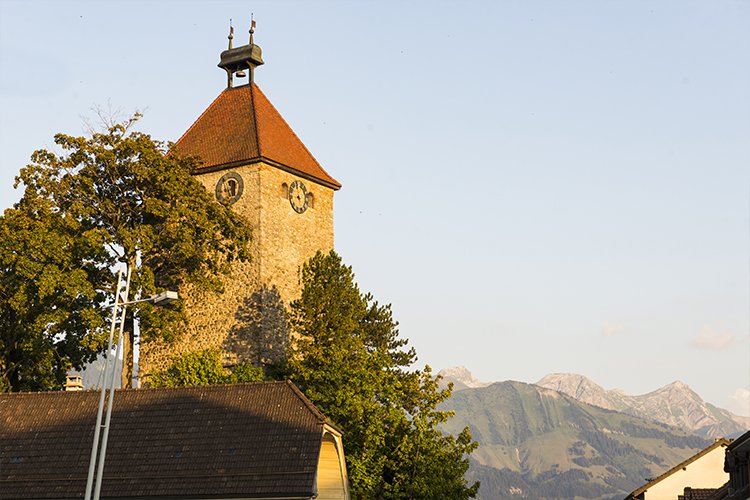
What to do in Bulle?
Located in the heart of La Gruyère, Bulle is an ideal destination for discovering a…
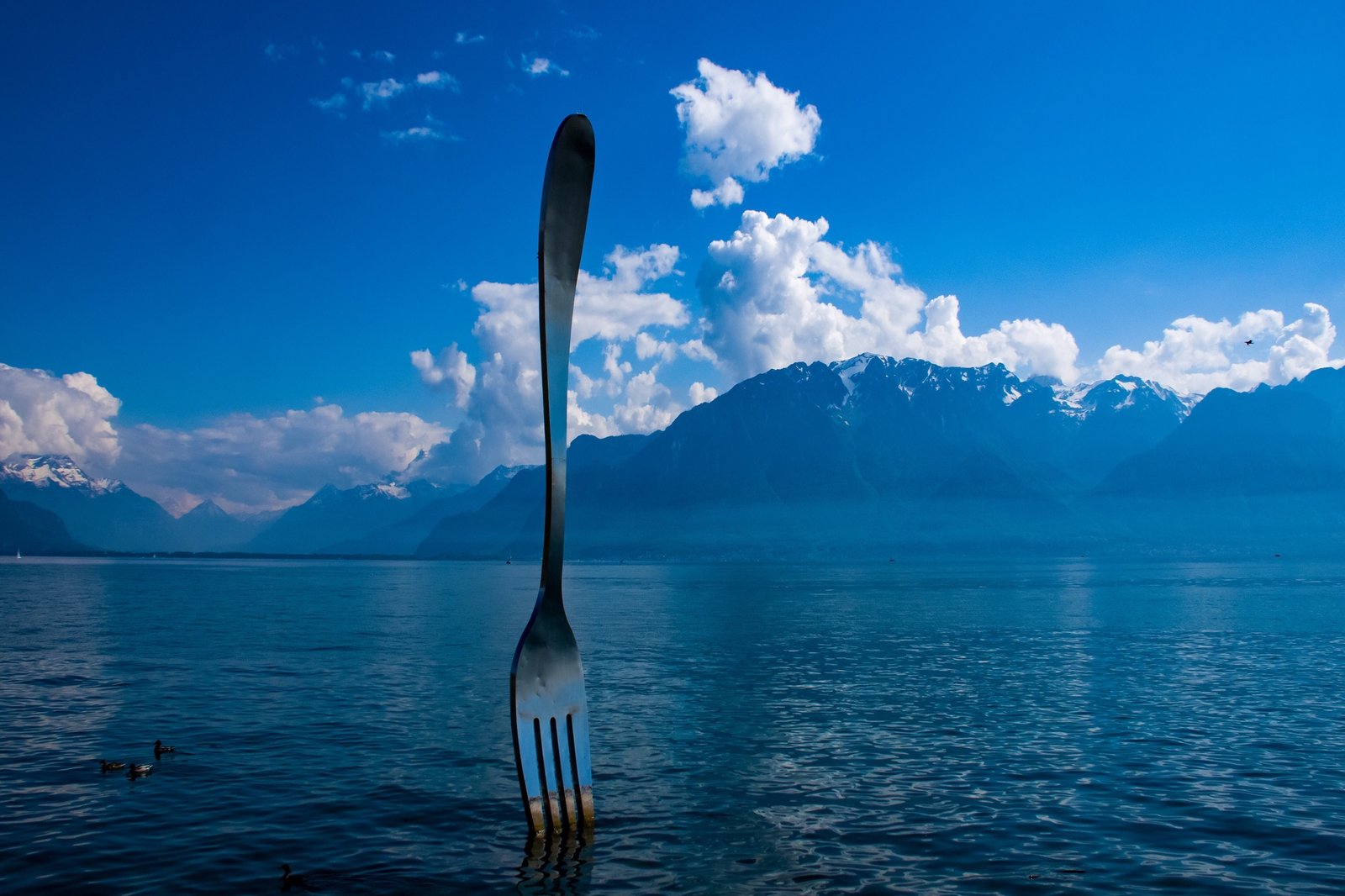
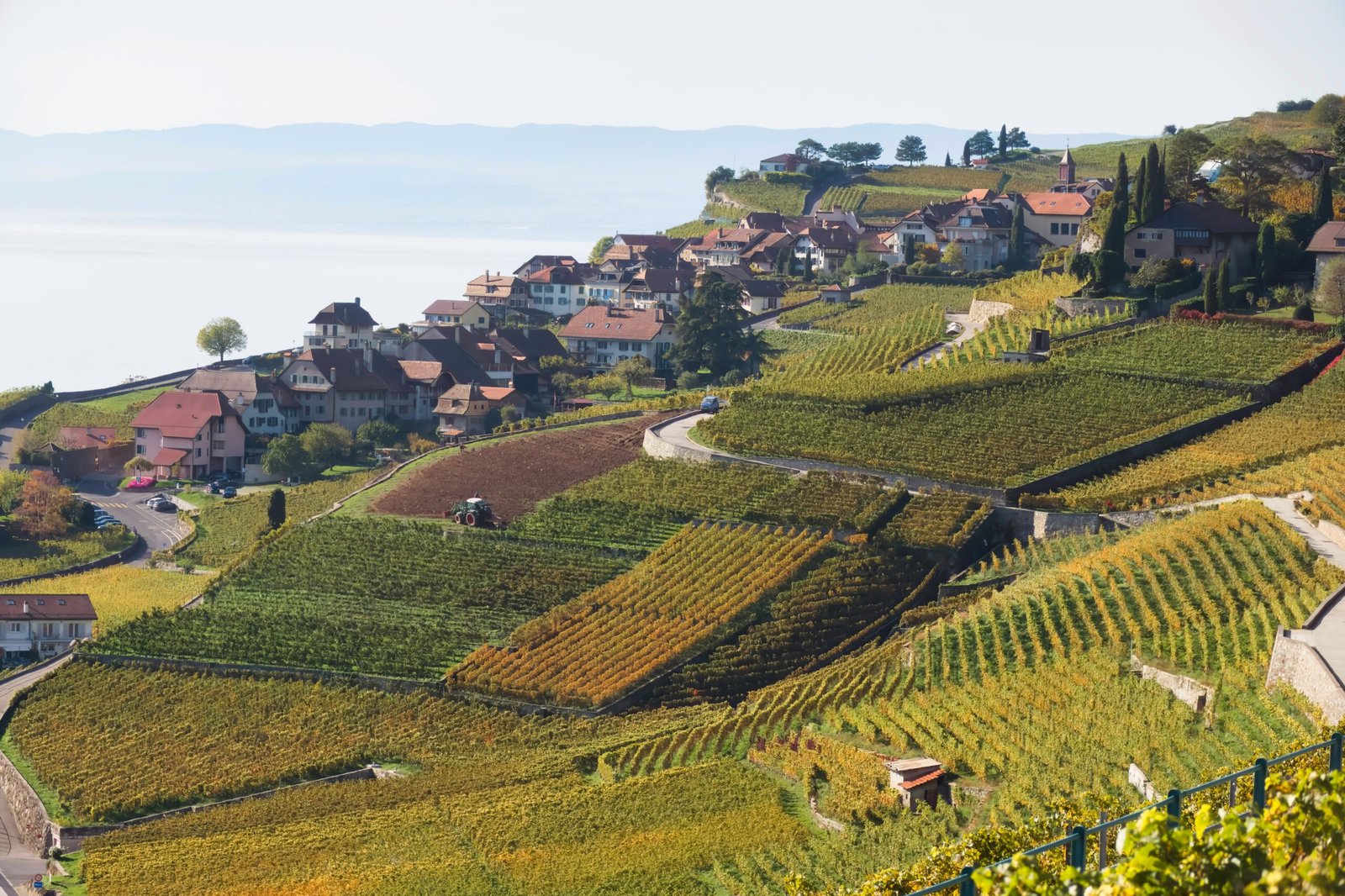
What to do in Lavaux?
Listed as a UNESCO World Heritage Site, Lavaux is one of the most breathtaking regions…
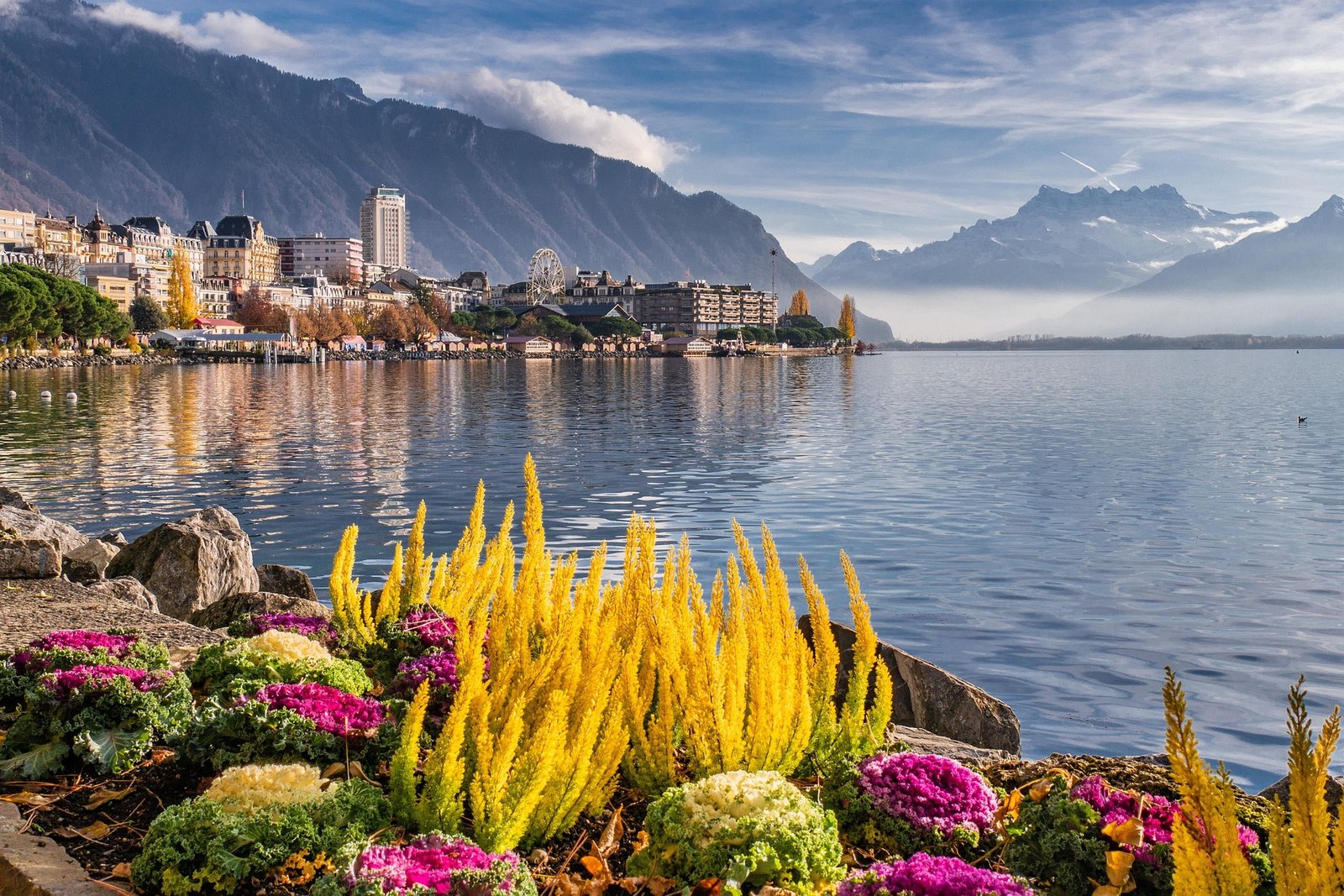
What to do in Montreux?
Montreux is one of the most iconic destinations in Switzerland. Nestled on the shores of…
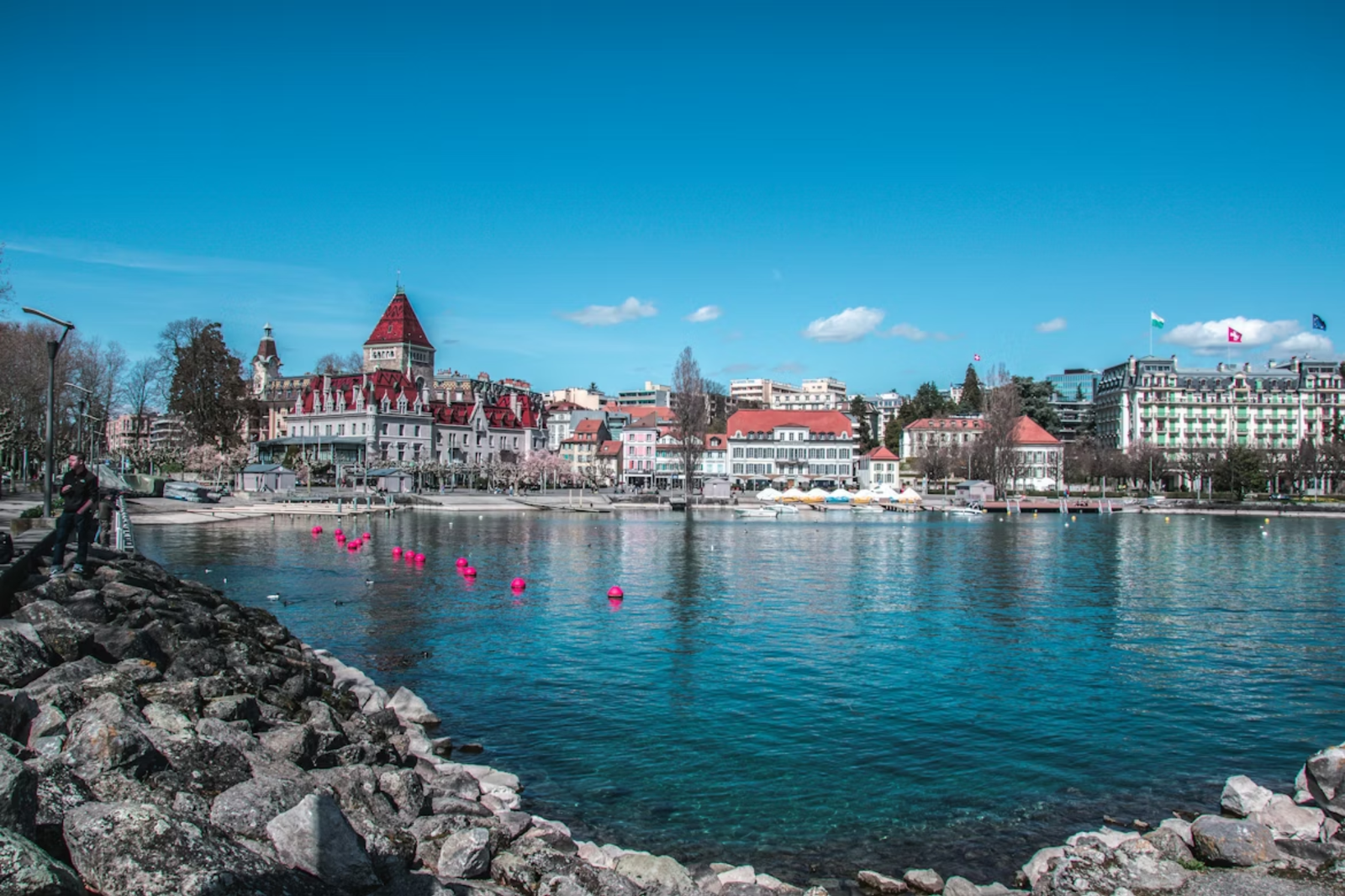
What to Do in Lausanne?
Lausanne is one of the most elegant cities in French-speaking Switzerland. Between its lakeside setting,…
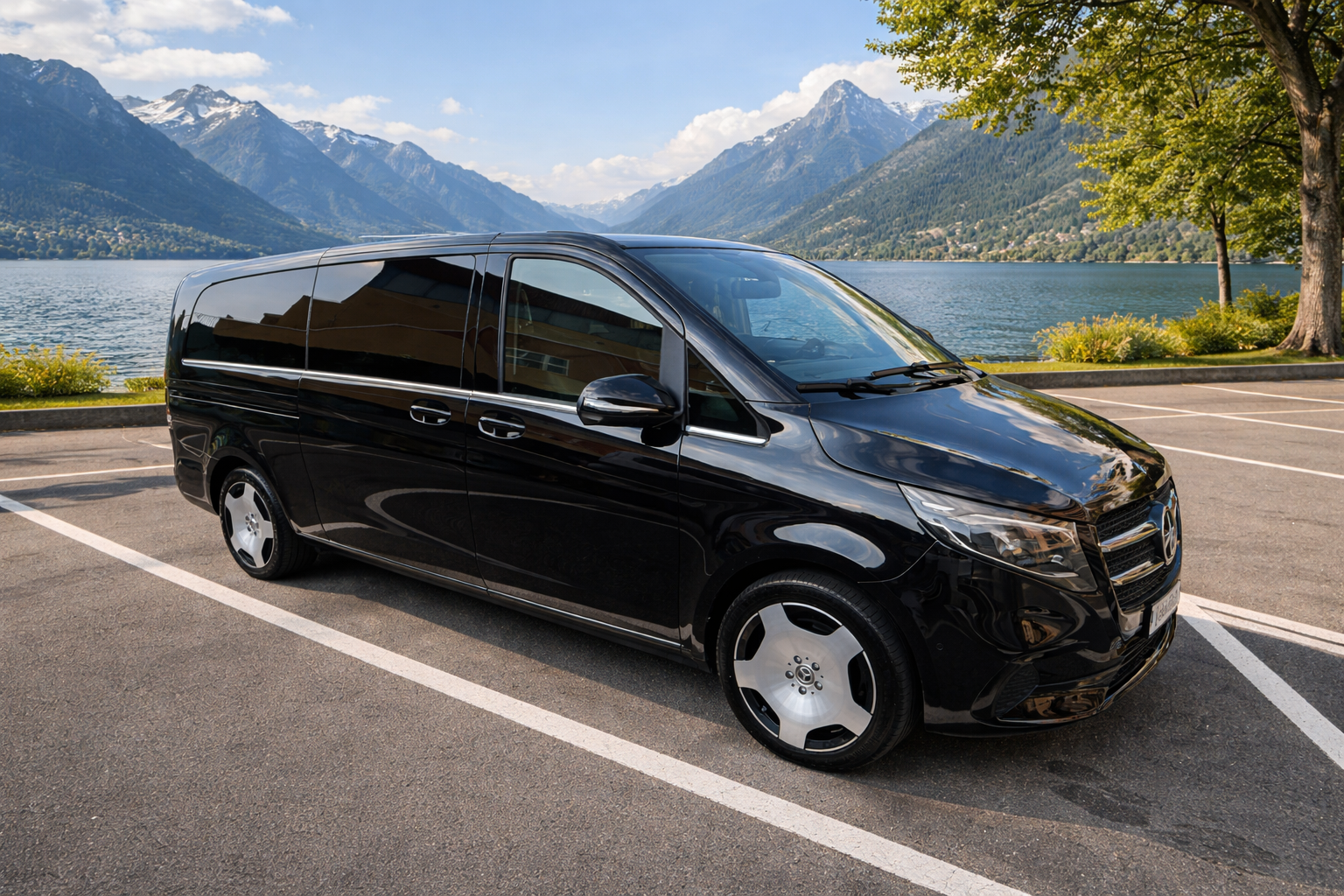
Mercedes Viano vs. V-Class : Why Did the Viano Become Iconic in Rap?
In several French rap videos, notably those of RK or Gims, a black van with…

Why Premium Clients Never Compromise on Their Chauffeur
Premium clients are not driven by indulgence. They are driven by standards. When it comes…

Behind Every Exceptional Journey, There Is a Professional Chauffeur
Exceptional journeys rarely announce themselves. They unfold quietly, smoothly, without friction. Whether traveling for a…

What It Really Means to Travel Without Stress
The idea of traveling without stress has become a modern obsession. Whether traveling for business,…
